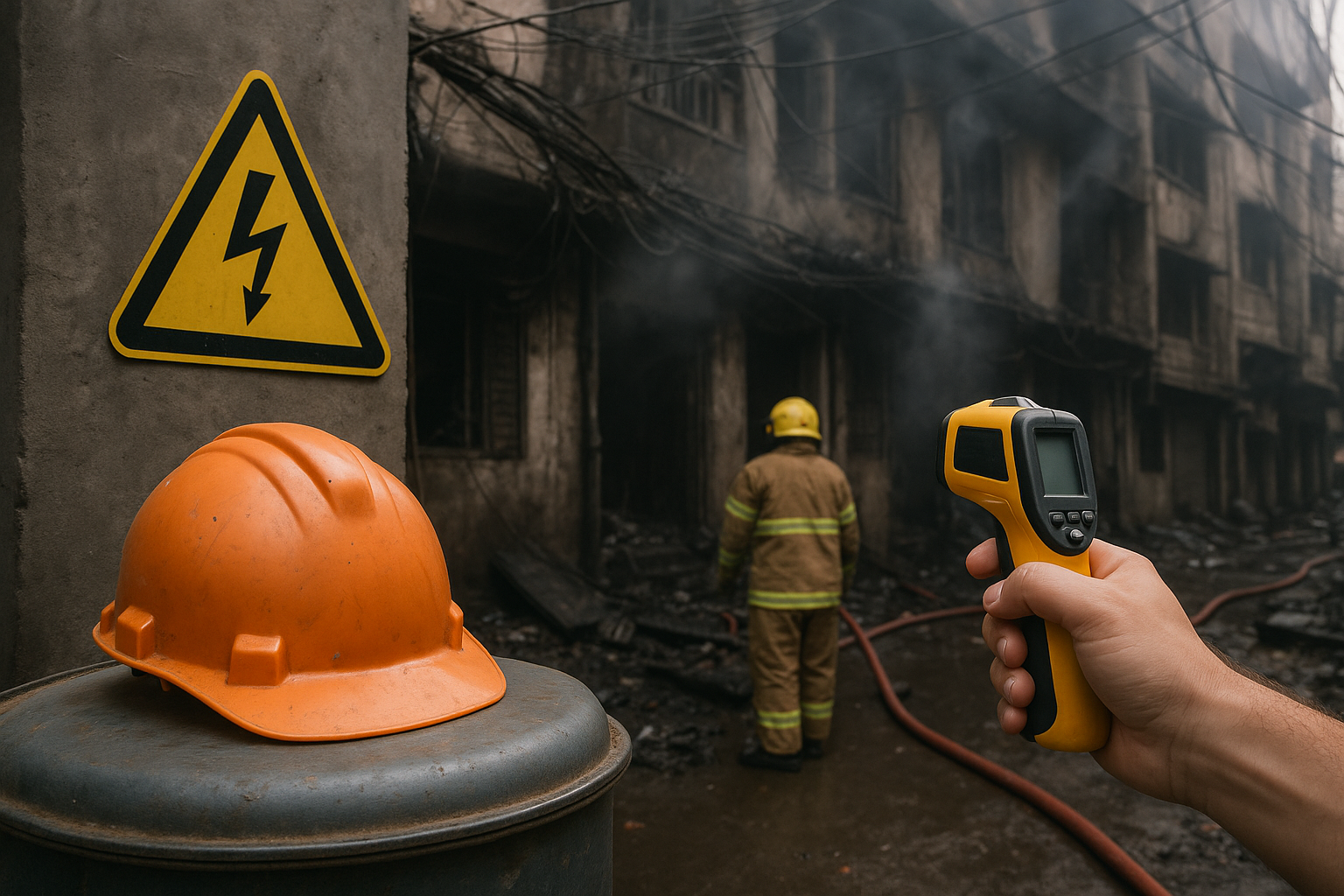
Electrical Safety Lessons from Tigri Extension Fire incident: Why Electrical Safety Audit Saves Lives.
09 Dec 2025
The tragic Tigri Extension fire of November 30, 2025, highlights how electrical faults and unsafe practices can escalate into life-threatening disasters. This article explains the incident, its causes, and how electrical safety audits, thermography inspections, and professional safety practices can prevent similar tragedies and save lives in India’s increasingly dense urban environments.
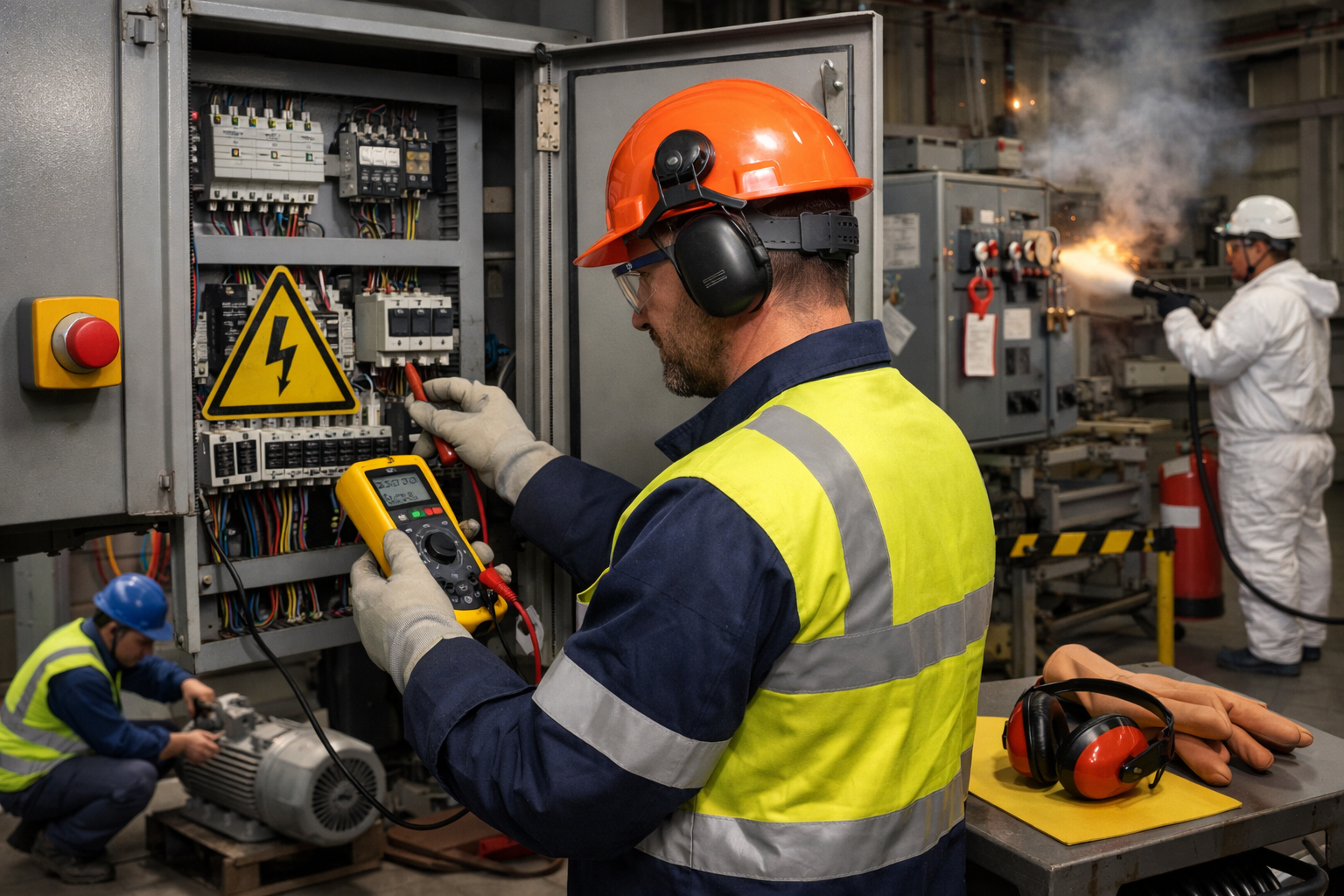
How to ensure electrical safety in your factories and facilities ?
07 Feb 2026
Electrical safety in factories and facilities is not only a matter of compliance—it is a key determinant of life safety, asset protection, and business continuity. In India, electrical accidents are a serious concern, with thousands of incidents being reported every year until 2025, thus emphasizing the need for systematic safety audits and preventive measures.
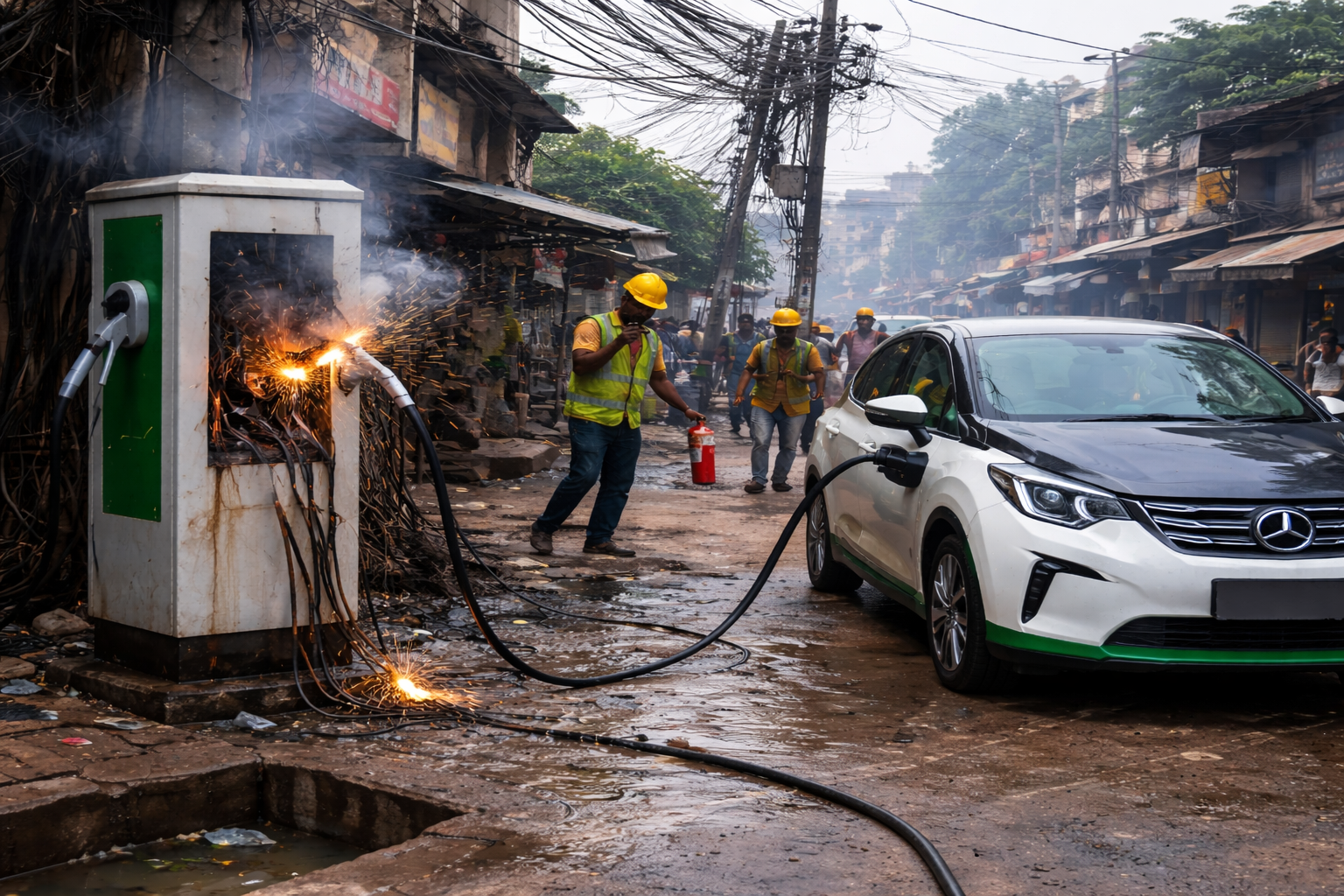
EV Charging Infrastructure Safety Challenges in India
10 Feb 2026
The rapid adoption of electric vehicles (EVs) in India is reshaping mobility and energy consumption. With government incentives, rising fuel costs, and sustainability goals, EVs are increasingly seen as the future of transport. However, this transition brings with it a new set of electrical safety challenges. Unlike conventional vehicles, EVs rely heavily on complex electrical systems, lithium-ion batteries, and charging infrastructure—all of which introduce risks if not managed properly. Recent incidents in Maharashtra, including a battery fire in Thane (Feb 2026) and a commercial blaze in Andheri (Jan 2026), highlight the urgent need to address these challenges. These events underscore the importance of electrical safety audits in India, robust training, and preventive measures to safeguard lives, property, and the credibility of EV adoption.
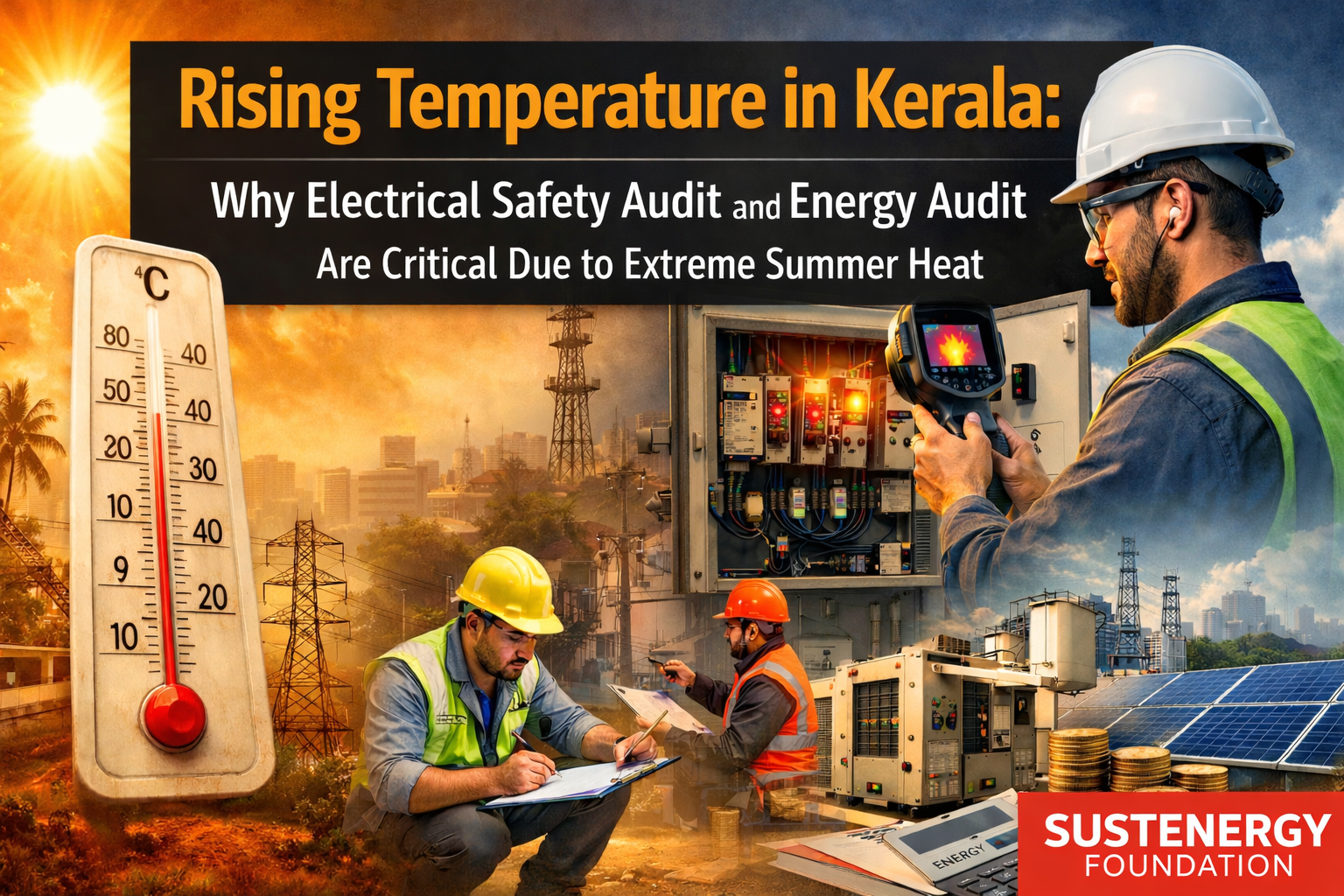
Rising Kerala Temperatures Increase Electrical Fire Risks: Why Safety Audits Matter
13 Mar 2026
Kerala is already starting to feel the heat this summer. Recent weather reports show that temperatures in several districts have crossed 38°C, and the India Meteorological Department has warned that the mercury level may touch 40°C in many parts of the state in the coming weeks. With fewer summer rains expected and clear skies allowing more solar radiation to reach the ground, the heat index is likely to increase further, especially in north and central Kerala. High humidity along with high temperature will make the weather feel even more uncomfortable and stressful.
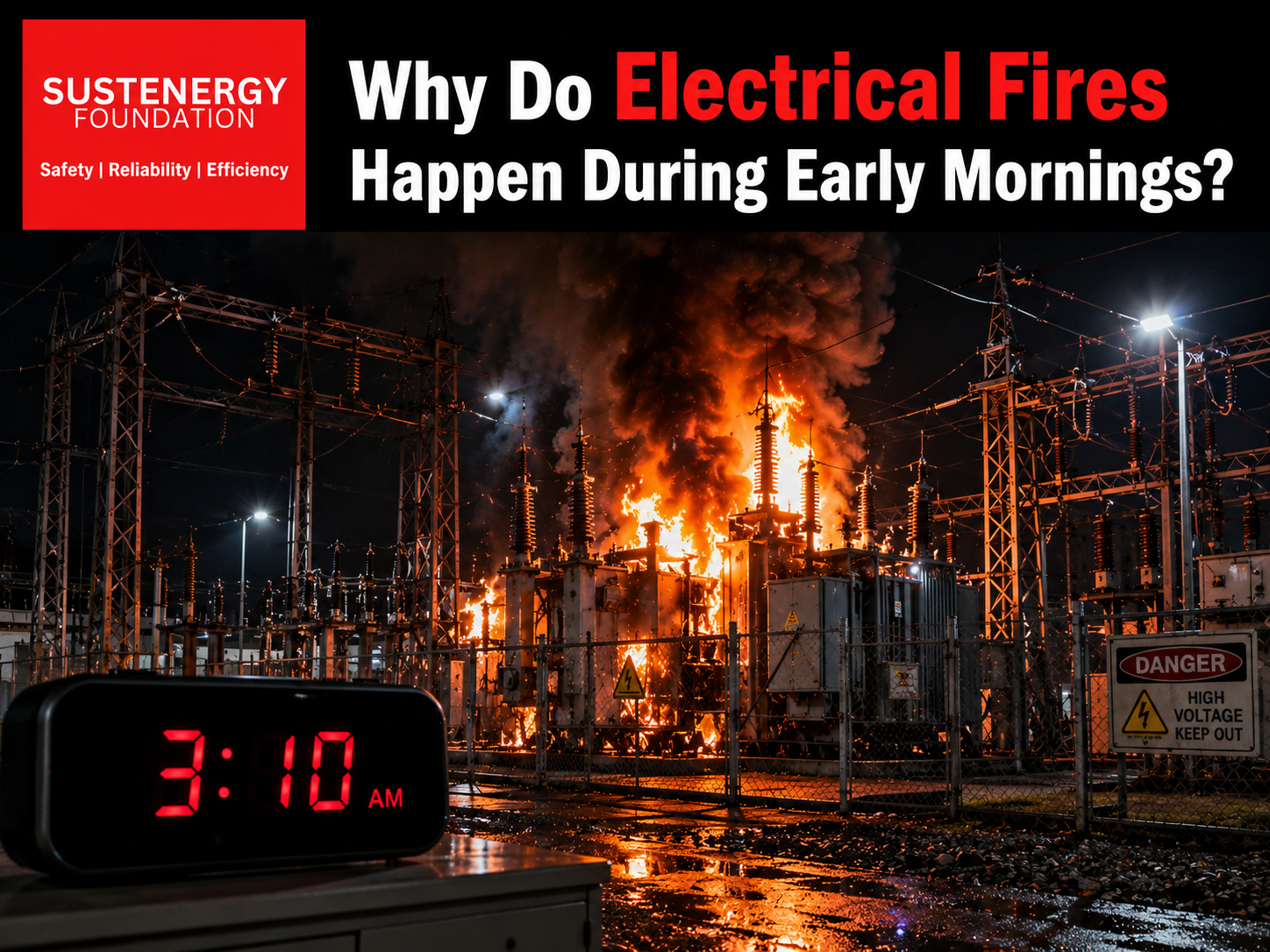
Why Do Electrical Fires Happen During Early Mornings?
11 Jun 2026
Why do so many electrical fires occur between 1 AM and 8 AM? This article explores the hidden reasons behind early-morning electrical fire incidents, including unattended electrical loads, overheating connections, humidity-related insulation failures, and delayed detection. Learn how regular electrical safety audits, thermography inspections, and preventive maintenance can help hospitals, hotels, industries, and residential buildings reduce fire risks and protect lives and assets.
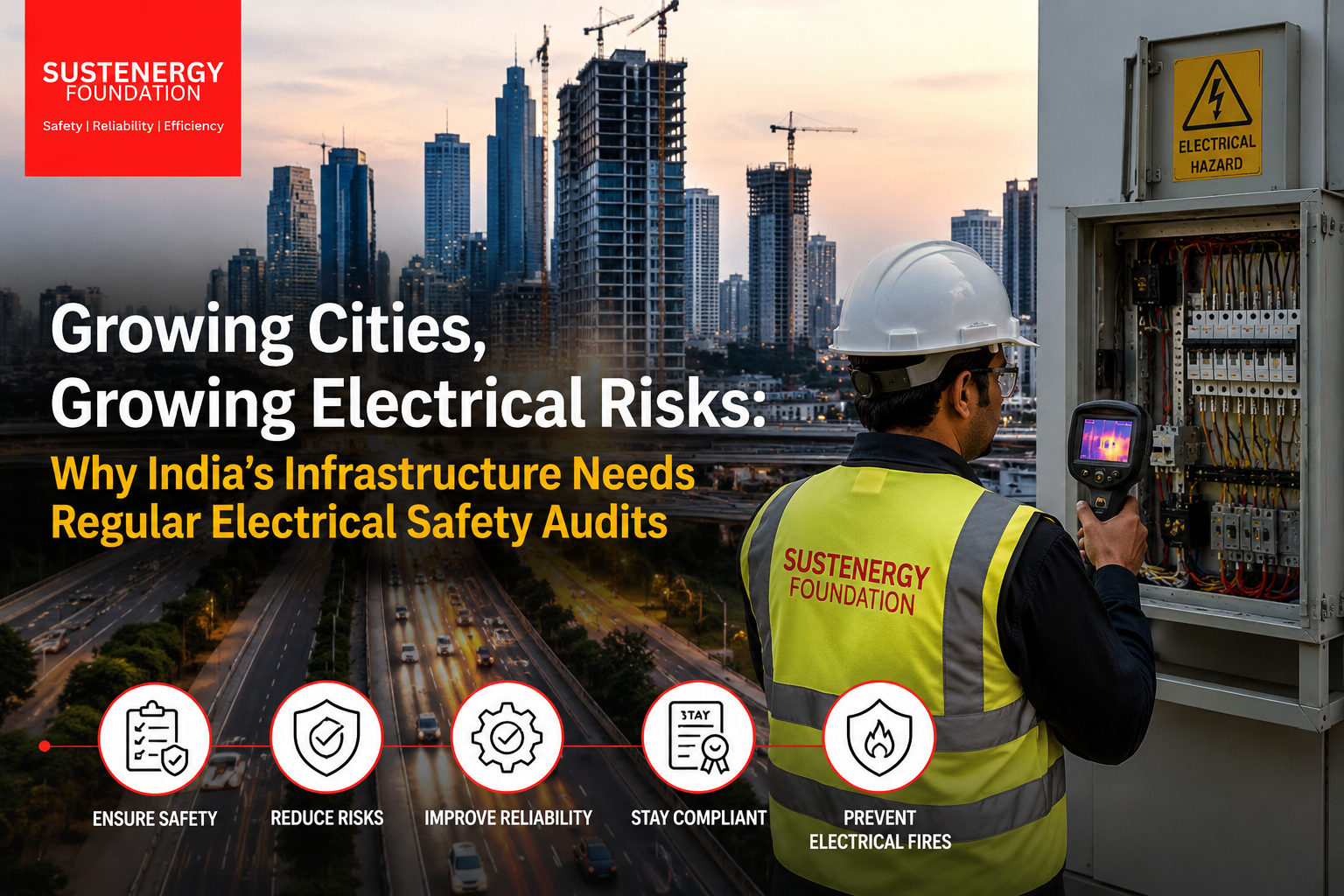
Growing Cities, Growing Electrical Risks: Why India's Infrastructure Needs Regular Electrical Safety Audits
06 Jul 2026
India's rapid infrastructure growth brings increasing electrical safety challenges. Discover why regular Electrical Safety Audits are essential for preventing electrical fires, improving reliability, ensuring compliance, and protecting people and assets in hospitals, hotels, industries, commercial buildings, and critical infrastructure. Learn how Sustenergy Foundation helps organizations build safer, more resilient electrical systems across India.